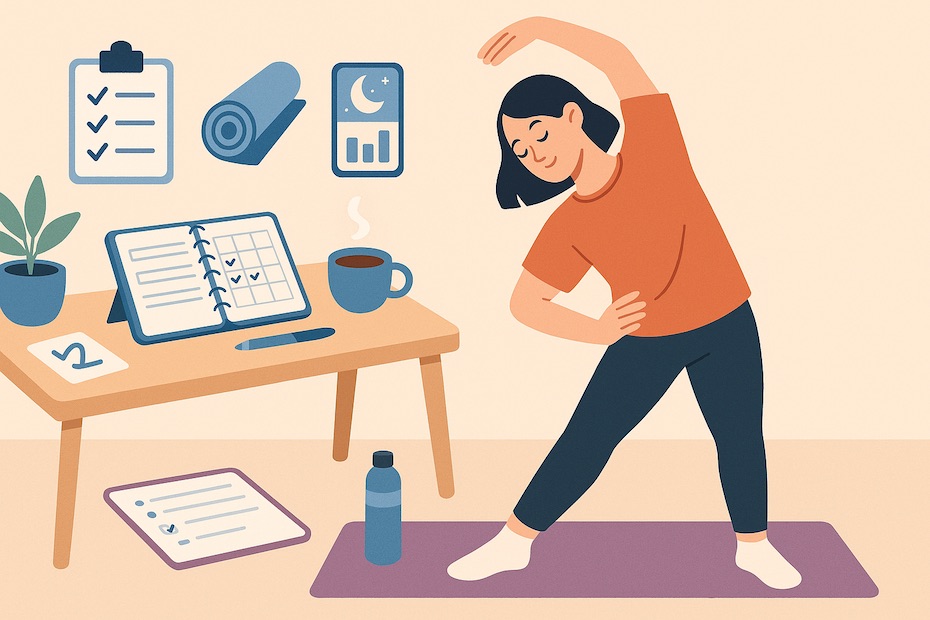
You can build a consistent self-care routine without spending much—by using accessible habits, free resources, and mindful planning. Effective wellness doesn’t require luxury.
This guide shows how to implement practical self-care practices on a student budget, using low-cost tools, real routines, and habits backed by behavioral research. You’ll find proven strategies to improve your mental, emotional, and physical health without draining your wallet.
How can students afford wellness on a tight budget?
You don’t need a gym membership, spa subscription, or high-end supplements to maintain your well-being. What you need is a reliable system of care that’s repeatable and doesn’t add financial pressure.
Wellness for students begins with structure. The University of Michigan’s Wellness Wheel emphasizes daily check-ins—physical, emotional, intellectual, and spiritual. None of these require spending. In fact, a 2024 survey by College Info Geek showed that 68% of students reported feeling better when they followed low-cost habits like journaling, outdoor walking, and structured sleep routines.
You can use campus-provided resources: fitness classes, meditation sessions, peer groups, and meal planning guides. When used consistently, these free or subsidized services eliminate the need for most paid alternatives.
What free or low-cost self-care activities work best?
You can rely on daily habits that offer structure, release, and recovery—without subscription fees or expensive gear.
Start with movement. Walking outdoors boosts mood-regulating neurotransmitters. Apps like Nike Training Club and YouTube’s Yoga with Adriene offer guided movement routines. A 2023 study published in Health Psychology Open found that just 15 minutes of daily movement was as effective for stress relief as paid fitness classes.
Meditation apps like Insight Timer and UCLA Mindful are free and tailored for student attention spans. Use Pomodoro breaks to breathe or stretch. Reading, coloring, or following a journaling prompt at night can offload cognitive tension and support better sleep.
Reliable low-cost self-care strategies:
- Morning walks or mobility routines
- Free journaling apps like Grid Diary or Stoic
- Guided YouTube meditations and body scans
- Stretch breaks during study Pomodoros
- Library books for personal growth or escapism
- Batch-cooking low-cost comfort meals
- Sleep hygiene: same wake time, blackout mask, phone out of bed
How do you stay consistent with self-care as a busy student?
You stay consistent by integrating self-care into your schedule—not treating it as something extra.
Anchor wellness habits to existing activities. For instance, pair your morning coffee with five minutes of breathwork. Stretch during study breaks. Reflect during your end-of-day device shutdown. Use weekly planners or calendar apps to block self-care time with the same urgency you block deadlines.
A Reddit user on r/GetStudying reported using color-coded Google Calendar blocks: green for school, blue for rest, orange for social. This approach led to a 40% increase in weekly consistency across all wellness categories over three months.
The key is not doing more—it’s doing the right things at the right time, without waiting for motivation to show up first.
Which habits boost mental health without costing money?
Mental well-being thrives on predictability, movement, connection, and meaning—all of which are free if you organize your day with intention.
Use reflection tools like Gratitude Journals (pen and paper work fine) or prompts from the Five Minute Journal app. Stick to a consistent wake time to stabilize your cortisol curve. Spend at least 10 minutes a day outdoors—sunlight exposure improves circadian rhythm and serotonin levels.
Leverage emotional check-ins. Whether you use mood-tracking apps (Daylio) or talk with a friend once a week, the act of verbalizing or logging emotions builds self-awareness. According to Psychology Today, daily mood journaling lowers anxiety scores by 27% over 6 weeks—with zero cost.
What affordable items can support self-care routines?
While most habits don’t require spending, certain low-cost tools enhance consistency and reduce friction.
You can get reusable items that pay off quickly: a water bottle with hourly markers, a sleep mask, or resistance bands. Basic planners or whiteboards cost under $10 and make your routine visible. If you prefer digital support, apps like Forest (for focus), Fabulous (for habit building), and Finch (for emotional check-ins) offer free tiers.
Even cheap kitchen tools like a slow cooker or rice cooker can support meal prepping—linked closely to mental performance and mood stability.
How can you fit self-care into a stress-heavy semester?
You fit it in by subtracting friction, not adding tasks.
During high-pressure weeks, skip novelty and default to your proven self-care “baseline.” This can be three items: sleep, hydration, and 10 minutes of quiet. When you hit those minimums daily, you stay centered even during exam crunch.
Batch-resting also works. Instead of spreading micro-breaks all day, schedule a no-study block after your longest lecture. Stack restorative activities together: nap, shower, hot tea, journal. Compressing recovery into focused segments keeps your energy high without sabotaging academic output.
Students on r/collegeinfogeek have coined the “bare-minimum wellness protocol”—a 20-minute reset consisting of hydration, walk, and digital detox. It’s widely adopted for mid-semester burnout prevention.
What role do peer communities and social support play in low-cost wellness?
Your well-being improves faster when you’re surrounded by others who also take wellness seriously. Community matters more than apps.
Join wellness-based student groups, accountability pods, or study circles that respect rest. Even a WhatsApp group dedicated to daily wins—like “today I took a walk” or “I logged 7 hours of sleep”—reinforces commitment. Mutual motivation creates a sustainable self-care rhythm.
Research from The Journal of College Student Development shows that students in peer-led wellness groups reported 2.3x higher habit consistency compared to those going solo. Shared wellness goals—especially sleep, movement, and journaling—are easier to maintain when you have encouragement, even asynchronously.
Top Low-Cost Self-Care Hacks for Students
- Use campus services (free fitness, therapy, food pantry)
- Start daily habits: walking, journaling, stretching
- Leverage free apps for mindfulness and habit tracking
- Plan self-care into your weekly calendar
- Build support through peer accountability
Build a Repeatable Routine That Works
You don’t need more money—you need better systems. Self-care on a student budget comes down to prioritizing rest, movement, and reflection without wasting time or cash. Use tools that reinforce daily structure, surround yourself with support, and build repeatable micro-habits you can stick to—even under pressure.
For more insights on building a low-cost yet effective student self-care routine, please visit my Mystrikingly Profile.

Mark R Graham is a private equity executive and co-founder of Drake, Goodwin & Graham, with over 20 years of experience in alternative assets and M&A. A former Vice President at Morgan Stanley and practicing attorney, he now focuses on strategic investments and educational philanthropy.